First-Class Patient Care
The Surgical Hospital at Southwoods is the Mahoning Valley's only 5-star rated hospital for quality and patient satisfaction.
At Southwoods, our commitment to providing an exceptional patient experience includes investing in the latest medical technology. The Surgical Hospital at Southwoods offers the next generation of minimally invasive procedures through robotic-assisted surgery.
These advanced systems are fully controlled by the physician and enhance their ability to perform complex procedures with greater precision. Compared to conventional surgical techniques, robotic-assisted surgery provides improved flexibility and control.
Why Choose Robotic-Assisted Surgery?
Talk with your provider to see if robotic-assisted surgery at Southwoods is right for you.
Southwoods has invested in two da Vinci® Xi Surgical Systems with integrated table motion, giving specialists greater access, flexibility and efficiency during procedures.
Using a high-definition camera, surgeons view a magnified 3D image of the surgical area while controlling small robotic arms from a nearby console. The system translates their wrist and finger movements into precise, real-time instrument motion, allowing for enhanced control and accuracy.
da Vinci® systems are used across multiple specialties at Southwoods, including bariatrics, colorectal, general surgery, gynecology and urology.
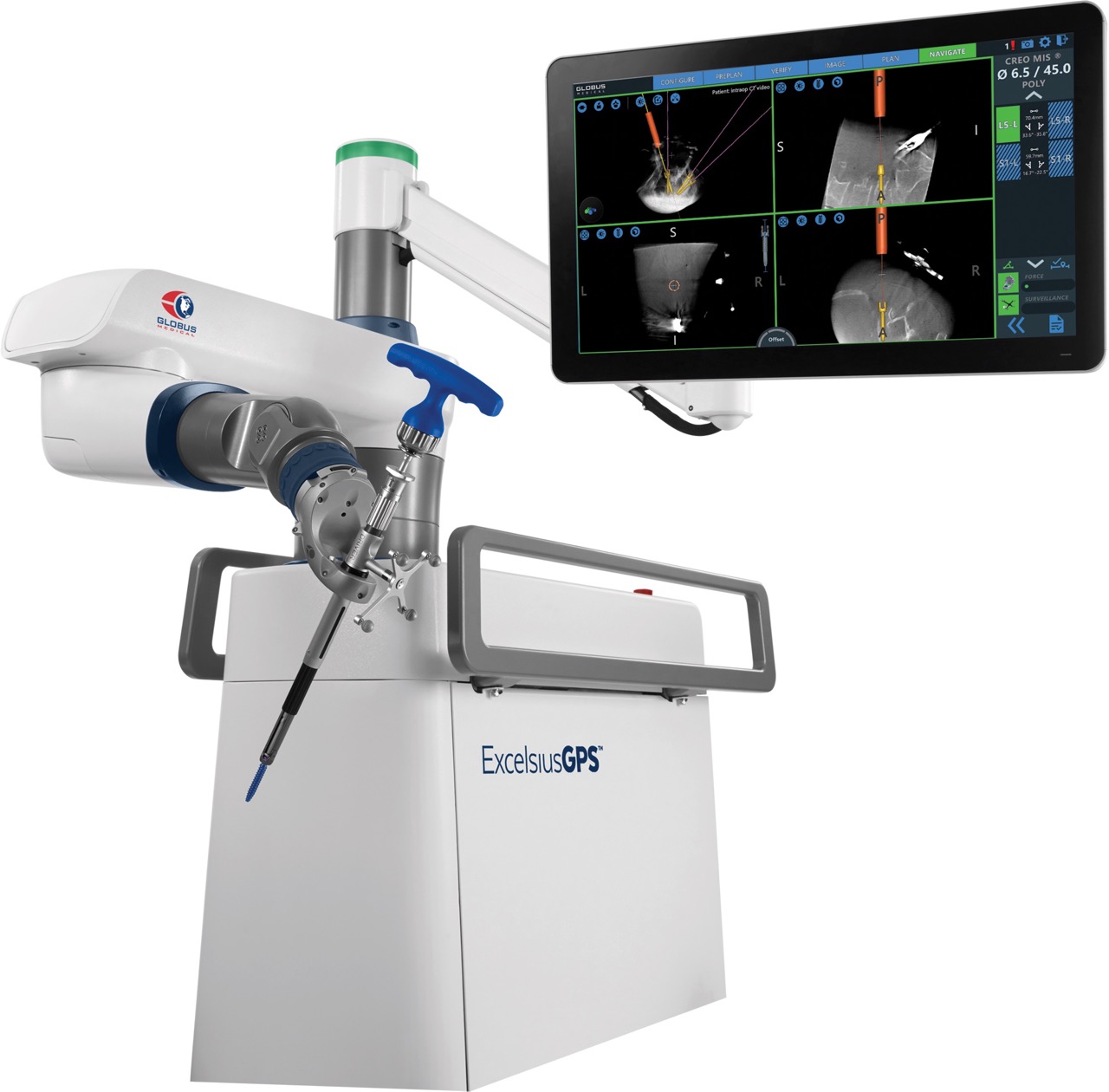
This advanced robotic navigation system is the first technology of its kind available in Mahoning, Trumbull, Columbiana, Portage and Stark counties.
It allows spine surgeons to plan procedures in advance, helping reduce operating times for complex cases and improve efficiency, while offering a more precise alternative for patients during surgery.
Excelsius® uses GPS-based navigation to provide highly detailed, real-time views of a patient’s anatomy. On the day of surgery, medical images are captured by the platform that allow the surgeon to map out the exact placement of implants based on each patient’s unique structure. During the procedure, 3D navigation guides positioning, improving accuracy and patient outcomes.
Common Procedures
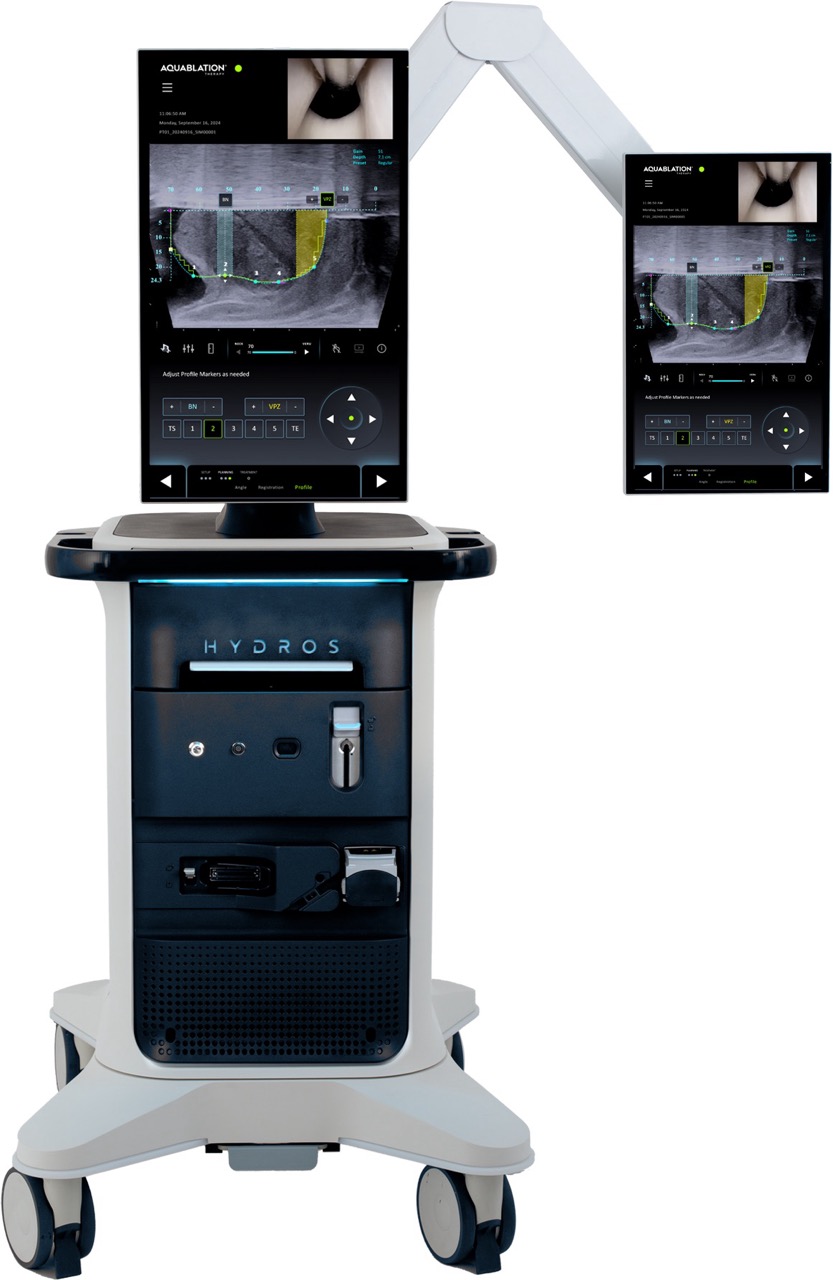
The HYDROS™ Robotic System is the next-generation platform used to deliver Aquablation® therapy—an advanced, heat-free procedure for men with an enlarged prostate (also known as benign prostatic hyperplasia or BPH).
By combining AI-assisted treatment planning, high-definition imaging and robotic precision, it allows surgeons to customize the procedure, thereby improving consistency and surgical efficiency.
For patients, this can mean long-lasting relief from lower urinary tract symptoms while helping preserve sexual function and bladder control.
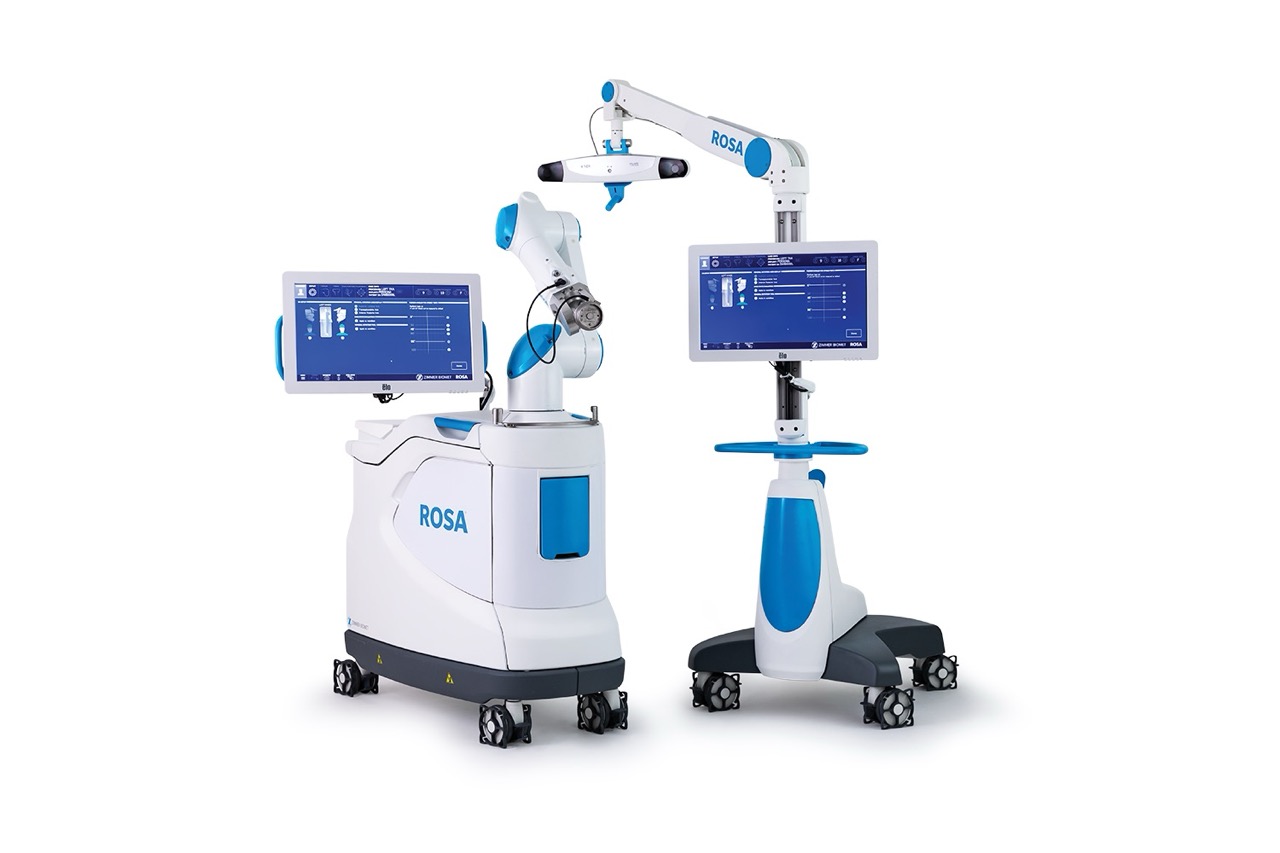
ROSA® Hip & Knee is a robotic surgical system that helps specially trained surgeons personalize the placement of knee and hip implants.
This cutting-edge technology collects real-time data before and during surgery, giving orthopaedic surgeons detailed insight into each patient’s anatomy. Using this information, the surgeon can position implants with greater precision, tailoring the procedure to the patient’s unique structure.
The goal is a better fit, smoother movement and improved overall outcomes.