

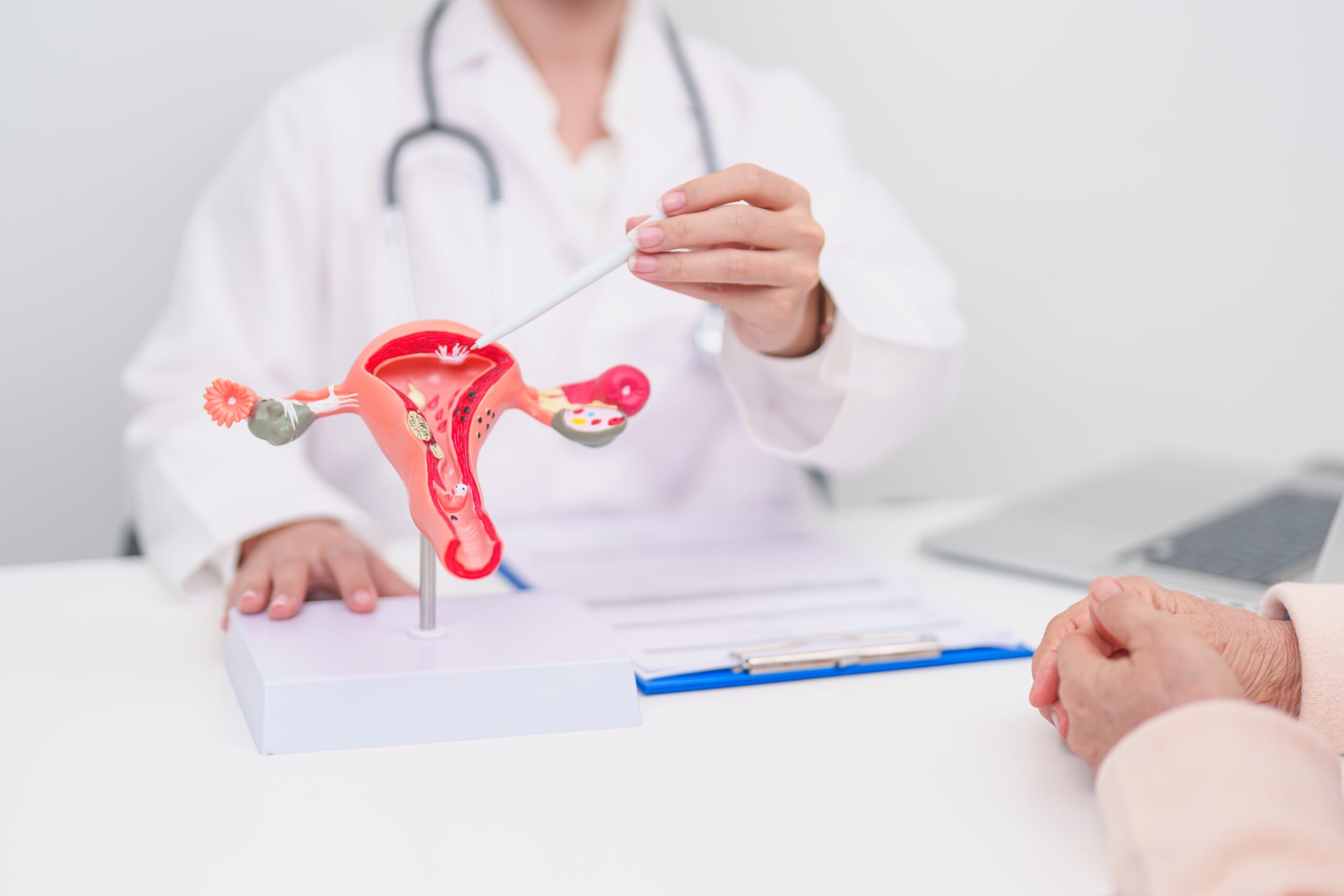
Southwoods Health is committed to raising awareness about the importance of regular screenings and HPV vaccinations for women at the appropriate ages. Read on to learn more about why cervical health matters and when women should get screened.
Why Cervical Health Matters
Each January, Cervical Health Awareness Month is dedicated to educating people about cervical cancer prevention and detection through HPV vaccination, regular Pap and HPV tests and routine wellness exams.
The cervix is the narrow passage that forms at the end of the uterus that connects it to the vagina. Because fluids pass through the cervix, it can be vulnerable to HPV infections, which are the leading cause of cervical cancer. The cervix is also a vital reproductive health organ—guiding sperm into the uterus during ovulation, protecting against infection by forming a mucus barrier (plug) during pregnancy and dilating during childbirth.
What Is Cervical Screening?
Daily movement doesn’t require a gym membership or personal trainer. Moving can be as simple as a walk around your neighborhood after dinner when the weather cooperates or a 20-minute stroll on a treadmill. Swimming, yoga and pilates are all low impact activities, but even taking the stairs as opposed to the elevator or stretching while sitting at your desk are improvements to a sedentary lifestyle.
You may think if you can’t dedicate an hour to your physical fitness, it’s not worth it. But remember, any movement is better than none—short bursts of activity still make a difference!
When Should I Get Screened?
According to the World Health Organization, cervical cancer is the fourth most common cancer among women globally. Cervical cancer screening is recommended beginning at age 21, even for women who are not sexually active. For women ages 21 to 29, a Pap test is recommended every three years. Starting at age 30, women may choose a Pap test every three years, or a Pap test combined with an HPV test every five years, depending on their provider’s recommendation. Screening may continue through age 65, as long as recent test results have been normal.
Some women may need more frequent screening due to personal or family medical history, so it’s important to follow individualized guidance from a healthcare provider.
Making Screening Part of Your Routine
Cervical screenings are just as important as wellness visits with a healthcare provider. In fact, scheduling screenings alongside annual wellness visits can help ensure they don’t get overlooked, even with a busy lifestyle. Setting reminders, choosing a provider you trust and understanding what to expect can make the process feel more manageable and less stressful.
Staying up to date with regular screenings empowers women to take control of their health and stay proactive in their overall well-being. To get started with a Southwoods gynecologist, visit us online and find a provider near you.