

As people age, living independently at home often requires thoughtful planning. The homes many have lived in for decades may no longer be as safe as they once were, and minor safety hazards can pose serious risks. By identifying and addressing potential dangers, you can help older adults stay safe, comfortable and independent in their own homes. Keep reading for five practical ways to create a safer living environment for older adults.
Prevent Falls
One of the most common ways older adults sustain injuries is falling. When focusing on safety in the home, make sure to:
- Declutter living spaces and remove tripping hazards such as loose cords, clutter or uneven flooring.
- Secure rugs and carpets with non-slip backing or remove them altogether.
- Improve lighting throughout the home, especially in hallways, stairways and bathrooms.
- Install non-slip flooring in areas prone to moisture, such as kitchens and bathrooms.
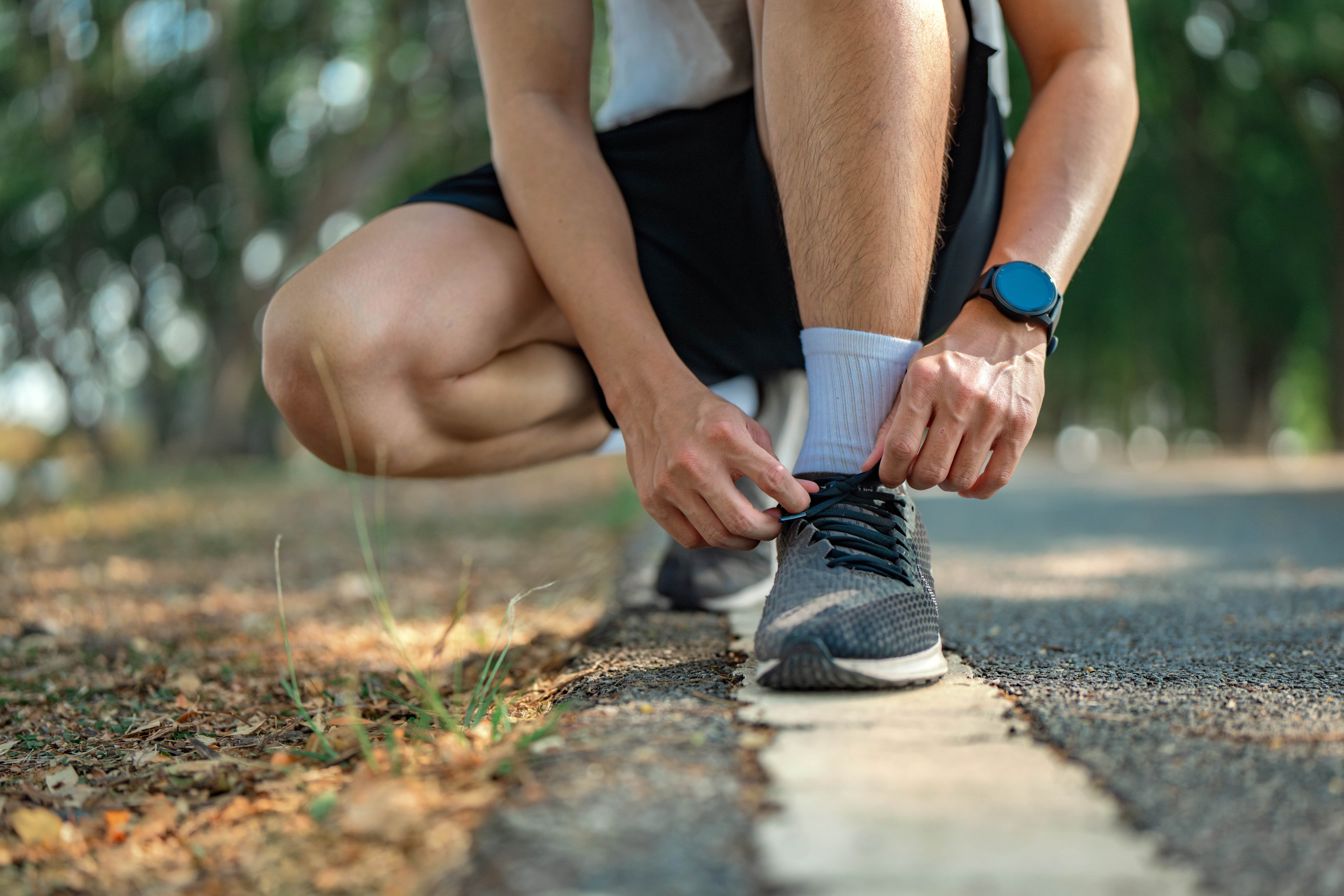
- Encourage proper footwear with good traction and support.
Provide Adequate Seating
Accessible seating can make daily activities easier and safer. Place sturdy chairs, benches or stools in areas where older adults may need to rest—such as near the kitchen, hallway or entryway. This allows them to take breaks while doing tasks like cooking, putting on shoes or folding laundry, helping conserve energy and preventing falls.
Install Grab Bars
Grab bars are simple yet highly effective safety tools—especially in bathrooms and near stairs. They provide support and stability, helping to prevent slips and falls during transfers in and out of bathtubs, showers, or while using the toilet. Grab bars are widely available at most hardware stores and are easy to install. Choose bars that are securely anchored and positioned where they’ll be most useful.
Manage Medications Safely
Many older adults take multiple medications, which can be confusing and lead to errors. To promote medication safety, use pill organizers and set up a schedule or reminder system to ensure medications are taken at the correct times. Encourage regular medication reviews with healthcare providers to avoid potential negative reactions or complications. Proper medication management helps maintain health and prevents unnecessary hospital visits.
Create an Emergency Plan
Establish a clear emergency response plan and ensure older adults know how to use any medical alert devices they may have. Post important contact numbers, including emergency services, family members and neighbors, in visible locations throughout the home. Regularly practice emergency scenarios to ensure they know what to do in case of an emergency. This way, if something happens, they already know what to do and how to call for help.
Final Thoughts
By taking proactive safety measures, we can help older adults maintain their independence and quality of life at home. Creating secure, accessible spaces not only reduces risks but also brings peace of mind to families and caregivers.
For almost 30 years, Southwoods Health has been dedicated to providing exceptional, patient-centered care to the community. That same commitment extends to Southwoods Health at Home, offering skilled home health services that deliver expert, compassionate care directly to patients where they live.
Each treatment plan is tailored to the individual and coordinated with physicians and family members to ensure the highest quality of care—promoting faster recovery, greater independence and lasting comfort.
If you have a loved one who could benefit from additional care at home, learn more about our comprehensive home health services available through Southwoods Health at Home.