


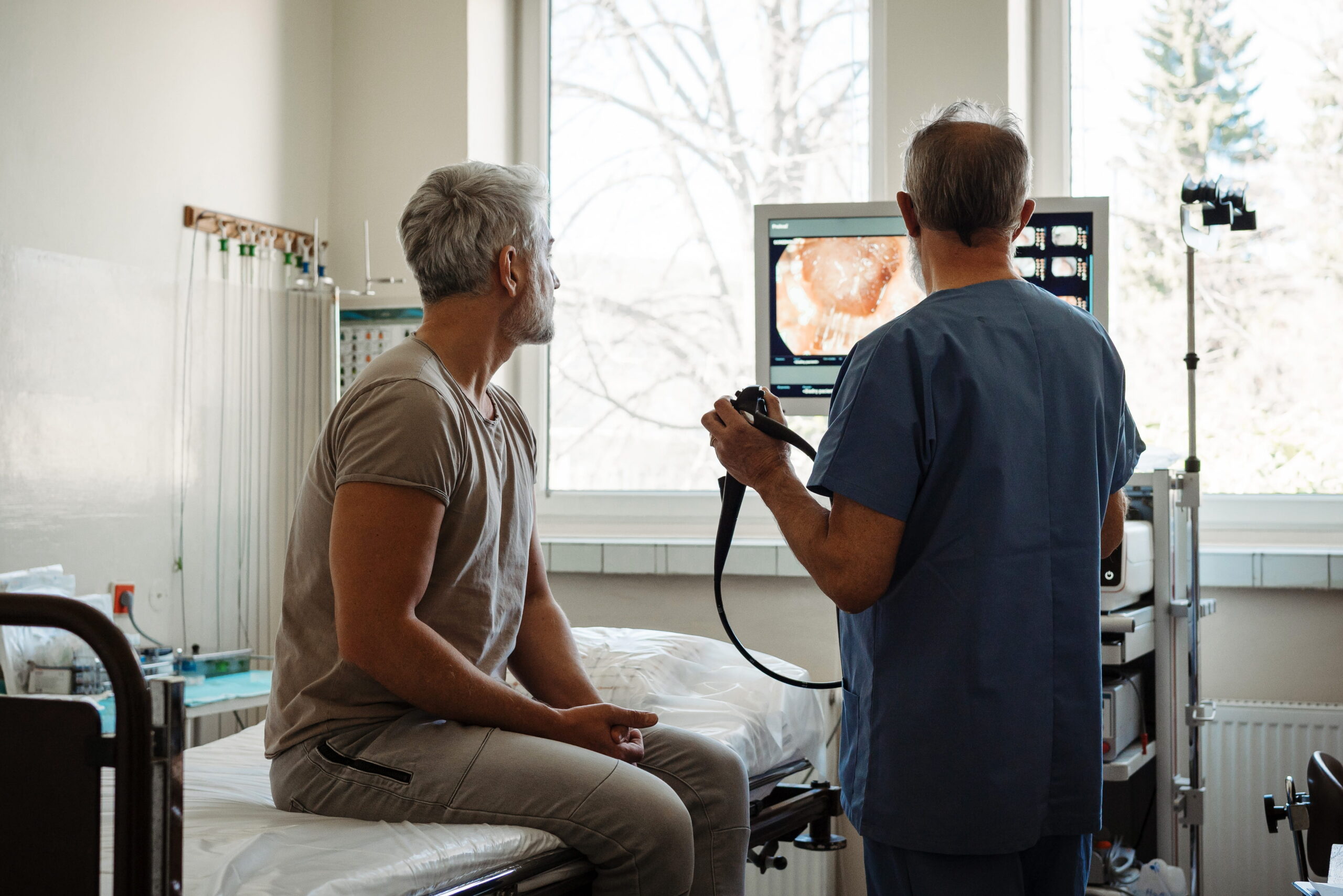
March is Colorectal Cancer Awareness Month, a time dedicated to raising awareness about prevention and early detection. One of the most important screening tools for colorectal cancer is a colonoscopy.
Colorectal cancer is statistically one of the most preventable cancers when it’s caught early. Understanding what to expect during a colonoscopy can alleviate some of the fear or uncertainty you, or a loved one, may feel about the procedure.
Why Are Colonoscopies Important?
According to the American Cancer Society, colorectal cancer is one the leading types of cancer in the United States. While diagnosis rates are increasing, it is highly treatable when detected early.
A colonoscopy allows doctors to look for polyps, which are small growths in the colon that can sometimes develop into cancer. During the procedure, doctors can often remove these polyps before they become a serious problem.
Most adults at average risk should start screening at age 45, although individuals with a family history of colorectal cancer or those experiencing concerning symptoms may need to begin screening earlier.
What to Expect During Your First Colonoscopy
If you’ve never had a colonoscopy before, knowing the basic steps can help you feel more prepared.
Scheduling Your Colonoscopy
The first step is scheduling your procedure. At Southwoods Health, we make the scheduling process simple and straightforward because we understand getting the care you need shouldn’t be complicated.
Colonoscopy Preparation
Oftentimes, you’ll hear people say the preparation is the most challenging part of the process, but it’s temporary and necessary to ensure clear results. To prepare for your colonoscopy, you will need to:
- Follow a clear liquid diet for 12-24 hours before the procedure
- Take a prescribed bowel preparation solution at the directed time
This preparation helps clean the colon so your doctor can clearly examine the area.
The Procedure
During the colonoscopy:
- You will receive sedation to help you stay comfortable
- A thin, flexible tube with a camera (colonoscope) is inserted into the rectum
- The doctor examines the colon and removes any polyps
The procedure typically lasts 30–60 minutes and most people don’t remember it afterward due to the sedation.
Recovery
After the procedure:
- You’ll need someone to drive you home
- Mild bloating or gas is normal for a short time
- Most people resume normal activities the next day
If polyps are removed, they will be sent for testing. Your doctor will explain follow-up timing based on results.
Common Concerns About Colonoscopies
It’s normal to feel nervous about your first colonoscopy. However, many common concerns are based on misconceptions.
“It’s painful.” Most patients are fully sedated during the procedure and feel nothing.
“The prep is unbearable.” While the preparation can be inconvenient, it is temporary and normal eating habits can resume soon after the procedure.
“I don’t have symptoms, so I don’t need one.” Colorectal cancer often develops without noticeable symptoms in its early stages. That’s why routine screening is so important.
When to Talk to a Gastroenterologist
You should consider speaking with a gastroenterologist if you experience ongoing digestive symptoms such as gas, blood in your stool, cramping, or persistent abdominal discomfort. It’s also important to talk to a specialist if you have a family history of colorectal cancer, as earlier or more frequent screenings may be recommended.
Understanding Colonoscopy Screenings
Getting a colonoscopy may seem intimidating at first, but the process is routine and highly effective in detecting potential problems early. Early detection can help prevent more serious complications and reduce the need for more aggressive treatments later on.
If you are experiencing persistent digestive symptoms or have a family history of colorectal cancer, consider a consult with a specialist about screening options. For more information about colonoscopies or to schedule an appointment, contact Southwoods Health today!