


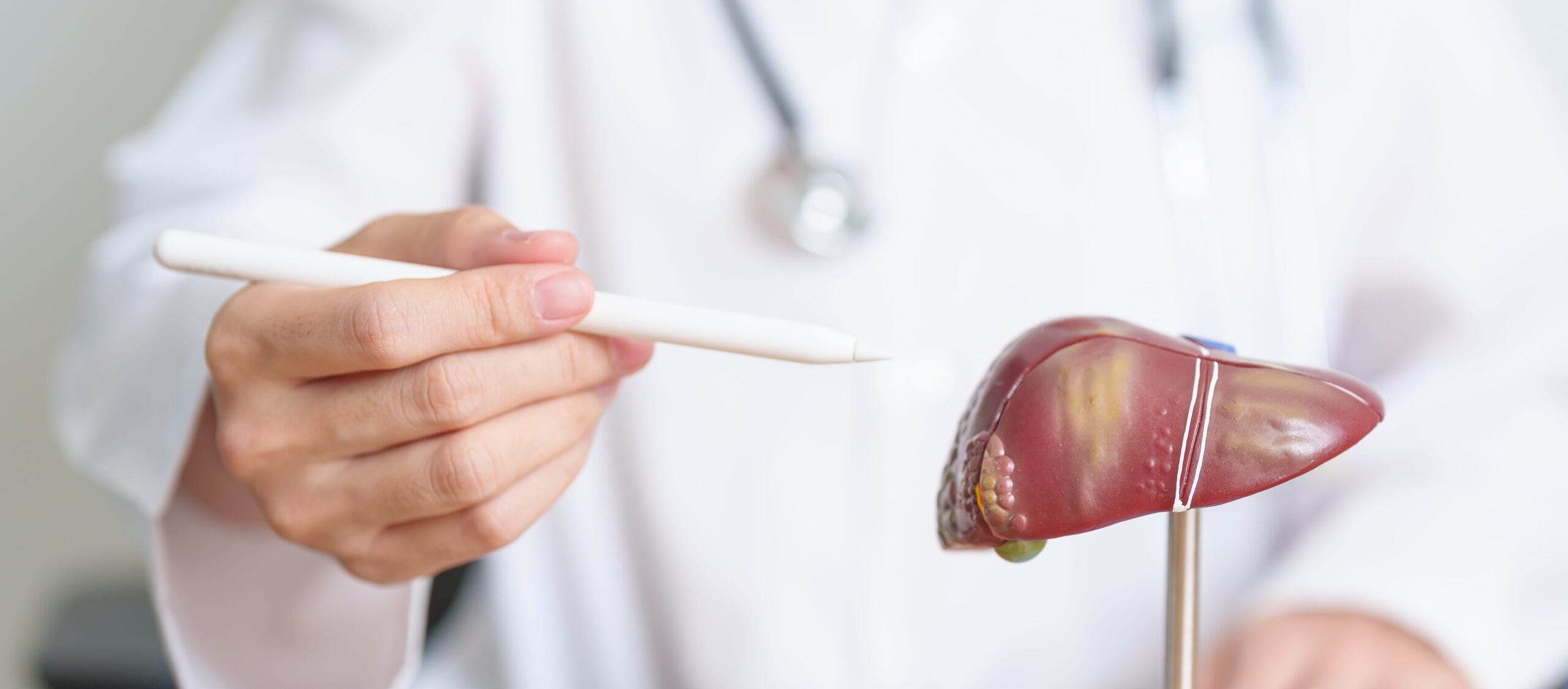
October is Liver Health Month, and few medical warning signs get your attention faster than yellowing skin or eyes. Jaundice can be a crucial clue that something is affecting your liver, bile ducts or blood. Here are 10 key facts to help you recognize it and know when to seek medical care.
1. Jaundice Is a Symptom, Not a Disease
Jaundice is the yellow discoloration of the skin, whites of the eyes and mucous membranes. Because it signals an underlying health problem, identifying the cause is the first step to treating it.
2. Bilirubin Causes the Yellow Tint
Bilirubin is a yellow pigment produced naturally when old red blood cells break down. A healthy liver processes bilirubin so the body can remove it through stool. When bilirubin builds up faster than the body can clear it, jaundice develops.
3. The Eyes & Mouth Usually Show It First
Yellowing typically appears first in the whites of the eyes and inside the mouth. In severe cases, the skin and eyes may look brown.
4. Watch for Dark Urine, Pale Stool & Itching
Dark urine, pale or clay-colored stools and intensely itchy skin often come with jaundice. Depending on the underlying cause, you might also experience nausea, vomiting, fatigue or unexplained weight loss.
5. There Are 3 Main Reasons Bilirubin Builds Up
Bilirubin levels typically spike due to one of three issues:
- Too many red blood cells are breaking down at once.
- The liver is overloaded, diseased or damaged.
- A physical obstruction prevents bilirubin from moving into the digestive tract.
6. Common Causes Range From Gallstones to Hepatitis
Many medical conditions can trigger jaundice. Common culprits include viral hepatitis, certain medications, blood disorders and gallstones blocking the bile ducts. It can also point to structural birth defects or cancers of the liver, pancreas and bile ducts.
7. Anyone Can Get Jaundice
Jaundice is not limited to people with a known liver condition. It can affect people of any age— from newborns to older adults. A sudden viral infection, an adverse drug reaction or an undetected gallstone can cause jaundice in someone who was previously perfectly healthy. Knowing the signs helps you act quickly, whatever your age or health history.
8. Diagnosis Starts With Blood Work
Your provider will review your medical history, symptoms and current medications, perform a physical exam and order a bilirubin blood test. Liver function tests, hepatitis panels and complete blood count may follow.
9. Advanced Imaging Can Find the Cause
Advanced imaging helps specialists evaluate your internal organs. Ultrasound, CT and MRI at Southwoods Imaging allows your care team to evaluate the liver, gallbladder and bile ducts. Some patients may require an endoscopy or additional specialized procedures.
10. Treatment Targets the Source
You cannot treat jaundice directly, you must treat the condition causing it. This might mean adjusting a medication, managing a viral infection or undergoing surgery to clear a blockage. Contact your primary care provider the moment you notice any yellowing of your skin or eyes.
Liver & Digestive Care at Southwoods Health
The Southwoods Center for Digestive Health & General Surgery in Boardman provides expert care for patients experiencing liver disorders, pancreatic conditions, biliary tree disease and other complex digestive health issues.
If you are unsure where to start, your primary care provider can evaluate your initial symptoms and coordinate your next steps.
To find a specialist or schedule an evaluation, call 330-729-8200.
–
Frequently Asked Questions
Is jaundice always a sign of liver disease?
No. While it often points to a liver issue, jaundice can also be caused by a blockage in the bile ducts or a blood disorder that destroys red blood cells too quickly. Comprehensive testing is required to find the exact source.
When should I see a provider about yellow skin or eyes?
Contact a provider as soon as you notice any yellowing of the skin or eyes. Seek immediate emergency care if the color change is accompanied by severe abdominal pain, fever, dark urine, pale stools or severe nausea.
How is jaundice diagnosed?
Evaluations begins with a physical exam and blood tests to measure bilirubin and liver function. From there, providers use targeted imaging (such as ultrasound, CT or MRI) to get a clear look at your digestive system.
Can jaundice clear up on its own?
That depends on the cause. Because jaundice is a visual warning sign for an underlying medical issue, you should always have it evaluated by a professional rather than waiting to see if it clears.
Listen to This Blog: