


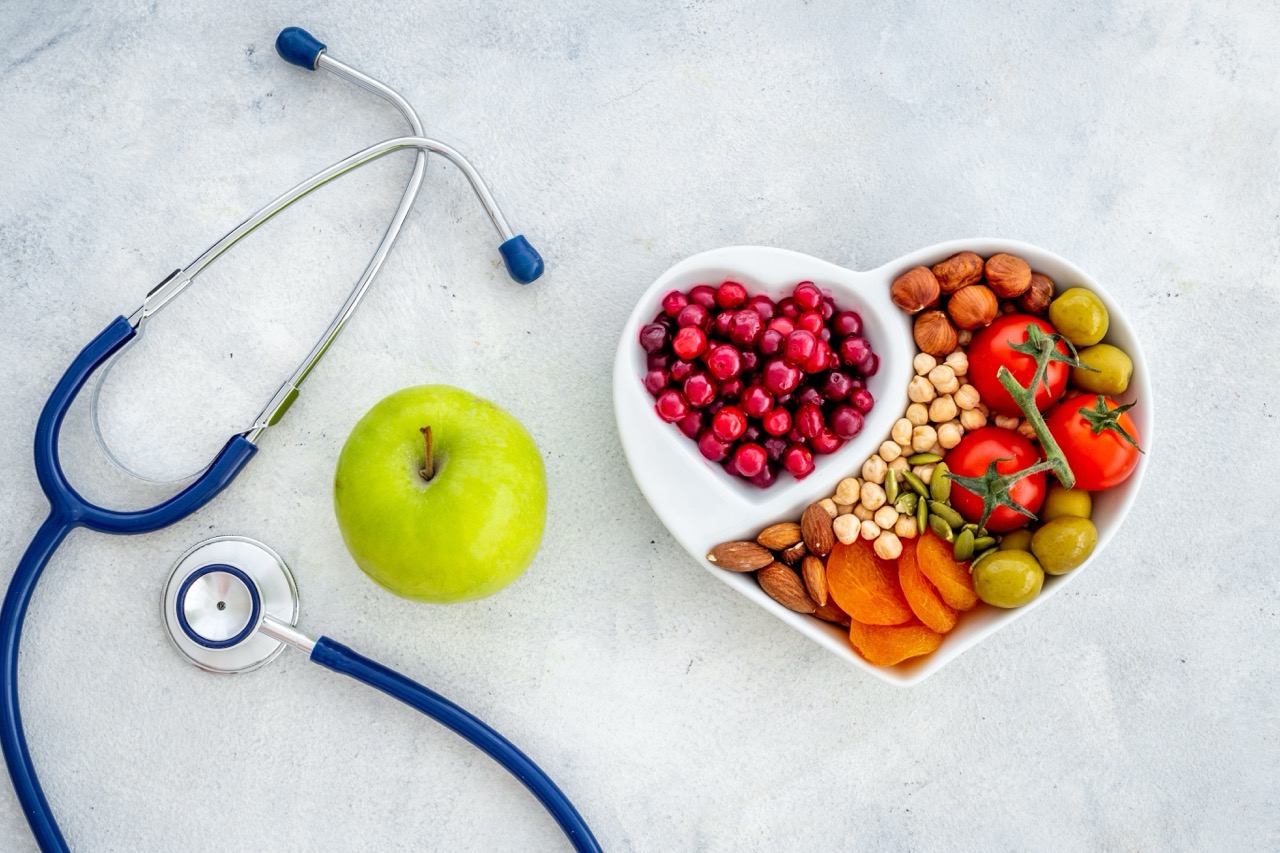
September is National Cholesterol Education Month, a good reminder to check in on your heart health. According to a JAMA study, nearly 1 in 3 U.S. adults without prior heart disease has LDL (“bad”) cholesterol levels above recommended target goals. Understanding the difference between HDL and LDL, and knowing your numbers, is the first line of defense against cardiovascular disease.
What Is Cholesterol?
Cholesterol is a waxy, fat-like substance your body produces naturally in the liver. It is also introduced through dietary sources like meat, dairy and eggs. Your system actively relies on it to build healthy cell structures, produce hormones and make vitamin D. The issue isn’t cholesterol itself. It’s the type and the amount circulating in your blood, since cholesterol travels through the bloodstream attached to proteins called lipoproteins, and the two main types are LDL and HDL.
HDL vs LDL: What’s the Difference?
The body uses two main types of lipoproteins to route fats through your vascular network, and they function in completely opposite directions. LDL, or low-density lipoprotein, is often called “bad” cholesterol because it carries cholesterol outward from the liver into your arteries, where it can build up as plaque over time. HDL, or high-density lipoprotein, is the “good” cholesterol, since it carries excess cholesterol back to the liver to be removed from the body.
Think of LDL as the delivery truck dropping cholesterol off along your artery walls, and HDL as the cleanup crew hauling the extra away. The goal is a lower LDL number paired with a higher HDL number. When LDL levels run high or HDL runs low, cholesterol can build up along artery walls and form plaque, a condition called atherosclerosis. Over time, that buildup narrows the arteries and raises the risk of heart attack and stroke.
Why the Balance Matters More Than the Total
A total cholesterol number alone doesn’t tell the full story. Two people can have the same total cholesterol reading and very different heart disease risk depending on how that number breaks down between LDL and HDL. That’s why a standard lipid panel measures both, along with triglycerides, to give your provider a clearer picture of your cardiovascular health.
According to the CDC, heart disease remains the leading cause of death in the United States, and high LDL cholesterol is one of the major controllable risk factors, right alongside high blood pressure, smoking and diabetes.
Who Should Get Checked
Most healthy adults should have their cholesterol checked every four to six years starting at age 20. However, that timeline accelerates significantly if you have specific risk factors that include:
- Underlying health conditions like high blood pressure, type 2 diabetes, chronic kidney disease or obesity
- A family history of heart disease or high cholesterol
- A history of smoking
- A sedentary lifestyle or diet high in saturated fat
If any of these apply to you, your provider may recommend more frequent screening, since catching an imbalance early gives you more options to correct course before it becomes a bigger issue.
How Cholesterol Is Checked
Checking your cholesterol is easy. A screening typically starts with a lipid panel, a quick blood test that measures total cholesterol, LDL, HDL and triglycerides, usually after a short fasting period. Depending on your results and risk factors, your provider may also recommend additional cardiac testing, such as a coronary calcium scan, to check for existing plaque buildup in the arteries. You can read more about how that test works in our post on frequently asked questions about coronary calcium scans.
If your numbers point to a higher risk, your provider may refer you to a cardiologist for further evaluation, including tests like an echocardiogram or stress test, both of which are available through Southwoods Cardiology.
Simple Ways to Support Healthy Cholesterol Levels
The good news is, cholesterol levels respond well to lifestyle changes. A few places to start:
- Eat more fiber: Try eating more oats, beans, apples and lentils, which can help lower LDL.
- Choose healthier fats: Swap saturated “bad” fats (butter, fatty cuts of meat) for unsaturated “good” fats (olive oil, nuts, avocado).
- Stay active: Regular exercise can help raise HDL, while lowering LDL and triglycerides.
- Cut down on sugar: Try to eat fewer sugary treats, sodas and white breads. Cutting back on these will quickly lower another type of fat in your blood called triglycerides.
- Quit smoking: Quitting smoking helps raise your HDL and also stops the chemical damage to your blood vessels, allowing your artery walls to heal.
Because everyone’s risk factors and needs are different, it’s worth talking through your specific numbers and lifestyle with your care team rather than guessing at general advice alone.
Talk to Your Primary Care Provider
National Cholesterol Education Month is the perfect reminder to check in on a vital part of your health that is easy to forget about. You cannot feel high cholesterol, so scheduling a routine check-up with your PCP is the right first step for a screening and conversation about personal risk factors.
If you are looking for a doctor to help you understand your numbers, Southwoods Health has a large network of primary care providers right here in the Mahoning Valley. Find a Southwoods Health Primary Care Provider near you and call to schedule your visit today!