
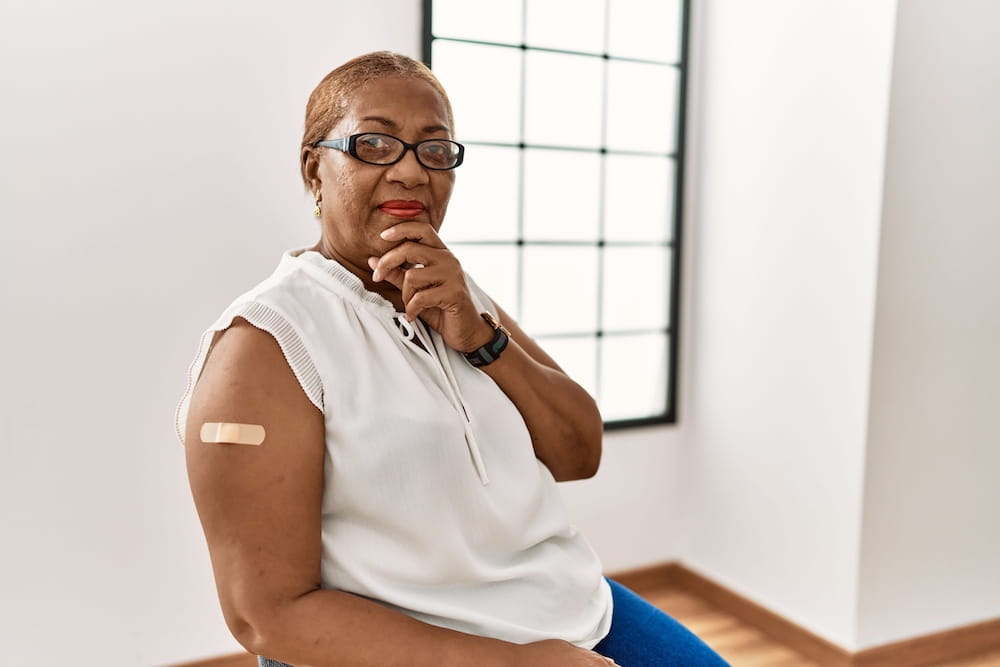
Because aging weakens the immune system and raises the risk of severe illness, hospitalization and death from preventable infections, seniors need several key vaccines each year. These can include a high dose flu shot, an RSV vaccine, a shingles vaccine and a pneumonia vaccine. As we get older, our immune systems respond more slowly and less effectively to germs, a natural process sometimes called immunosenescence. That means illnesses that might be mild inconveniences at 40 can become serious, even life threatening, at 65 or older.
For seniors, caregivers and family members across the Mahoning Valley and Northeast Ohio, staying current on recommended immunizations is one of the simplest ways to protect health, independence and quality of life. This guide breaks down the vaccines seniors need most, why timing matters and how to talk with a primary care provider about a personalized immunization plan.
The Core Vaccines Recommended for Older Adults
Flu Vaccine for Seniors
Adults 65 and older are advised to receive one of the higher dose or adjuvanted flu vaccines, which are formulated to produce a stronger immune response in older immune systems than a standard dose flu shot. These vaccines are potentially more effective than the standard flu vaccine for people in this age group, and your healthcare provider or pharmacist can help identify which option is the right fit. Flu vaccination is recommended annually, since flu viruses change from year to year and immune protection fades over time.
RSV Vaccine for Seniors
Respiratory syncytial virus, or RSV, is often thought of as a childhood illness, but it poses serious risks for older adults too. The CDC recommends a single dose of RSV vaccine for all adults ages 75 and older, as well as adults ages 50 to 74 who are at increased risk of severe RSV, such as those with chronic heart or lung disease.
Shingles Vaccine for Seniors
The CDC recommends two doses of the shingles vaccine, Shingrix, for immunocompetent adults 50 and older, regardless of whether they recall having had chickenpox or a prior shingles episode. Shingles causes a painful rash and can lead to postherpetic neuralgia, a long-lasting nerve pain condition, but the vaccine offers strong protection.
Pneumococcal (Pneumonia) Vaccine for Seniors
Pneumonia remains one of the leading causes of serious illness and death in older adults. Current guidance calls for PCV20 or PCV21 for adults 65 and older, along with catch-up vaccination for those who have not yet received a pneumococcal vaccine. Pneumococcal vaccination protects against the bacteria that cause pneumonia, bloodstream infections and meningitis.
COVID-19 Vaccine for Seniors
Older adults remain at greater risk for severe COVID-19 illness, hospitalization and death due to weakening immunity that occurs with age. Vaccination for adults continues to reduce the risk of severe illness, hospitalization and death, and a primary care provider can help determine the right timing based on individual health history and prior doses.
Tdap Vaccine for Seniors
The Tdap vaccine protects against tetanus, diphtheria and pertussis (whooping cough). Adults should have a Tdap or Td booster at least once every ten years, and a primary care provider can confirm whether a booster is due.
Quick Reference: Recommended Vaccines by Age
| Vaccine | Recommended Age | Frequency |
| Flu (high dose or adjuvanted) | 65+ | Annually |
| RSV | 75+ (or 50-74 with risk factors) | Single dose |
| Shingles (Shingrix) | 50+ | Two doses, 2-6 months apart |
| Pneumococcal | 65+ | Per provider guidance |
| COVID-19 | 65+ (individual decision with provider) | Per current guidance |
| Tdap/Td booster | All adults | Every 10 years |
This table is a general reference. Individual recommendations depend on your health history, prior vaccinations and risk factors. Your primary care provider can confirm the right schedule for you.
Why Older Adults Are More Vulnerable to Vaccine-Preventable Illness
The immune system naturally becomes less efficient with age, a process that affects both how quickly the body detects a threat and how strongly it responds. Chronic conditions common among older adults, including heart disease, diabetes and lung disease, can further complicate recovery from infections like flu, RSV and pneumonia. Living in close community settings, such as senior living communities, can also increase exposure risk.
This is why vaccination timing matters. Getting vaccinated before respiratory illness season ramps up, typically in early fall, gives the body time to build protection before exposure risk rises.
Frequently Asked Questions
Can seniors get multiple vaccines at the same time?
Many vaccines can be co-administered in the same visit. A primary care provider can advise on the safest and most convenient scheduling based on individual health needs.
Where can seniors get vaccinated in the Mahoning Valley?
Southwoods Health’s primary care providers offer immunization guidance and administration as part of routine preventive care for patients throughout the Mahoning Valley and Northeast Ohio.
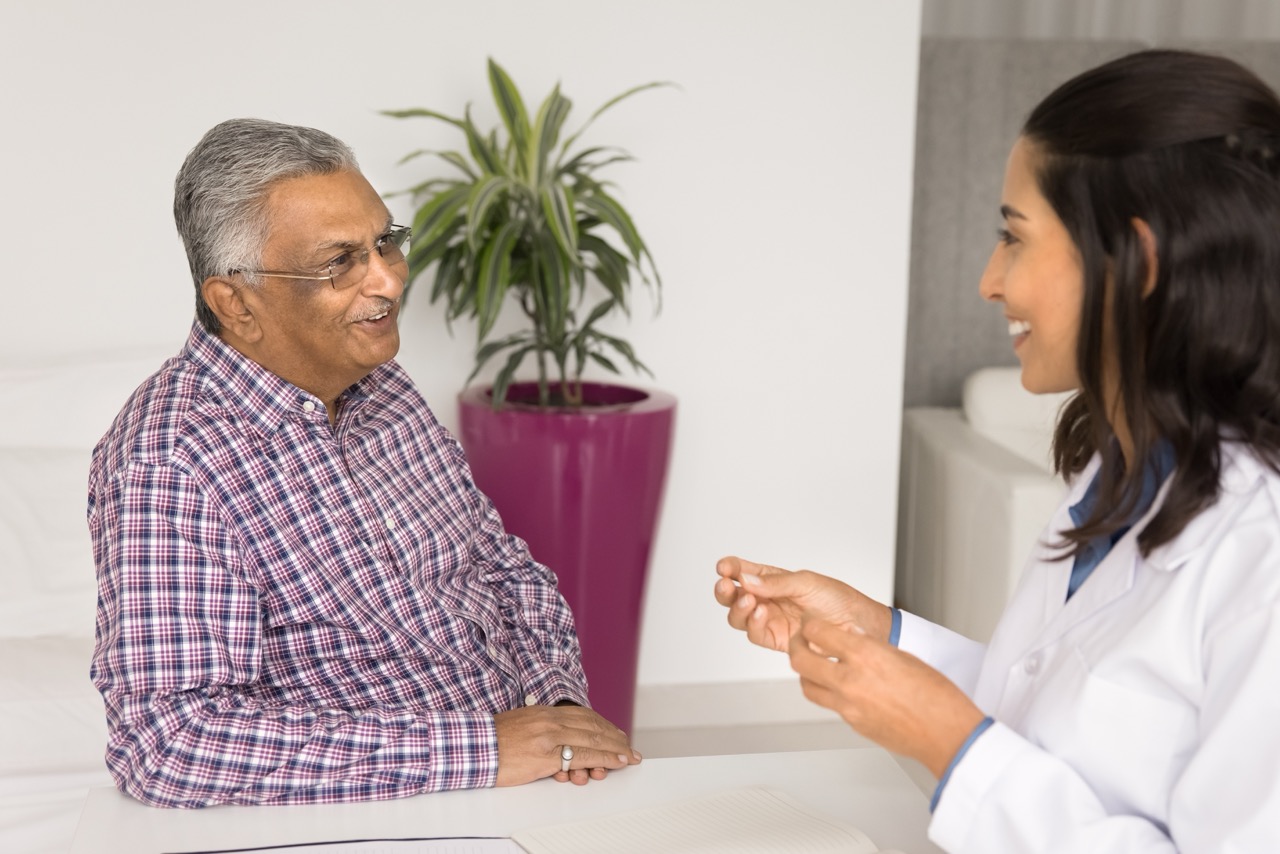
Talk to Your Primary Care Provider About Your Vaccine Schedule
Staying current on recommended vaccines is one of the most effective ways older adults can protect their health and independence. A Southwoods Health primary care provider can review your individual health history, identify which vaccines are due and build a personalized immunization plan. If you don’t have a dedicated PCP, you can find a primary care provider near you to schedule a visit today.